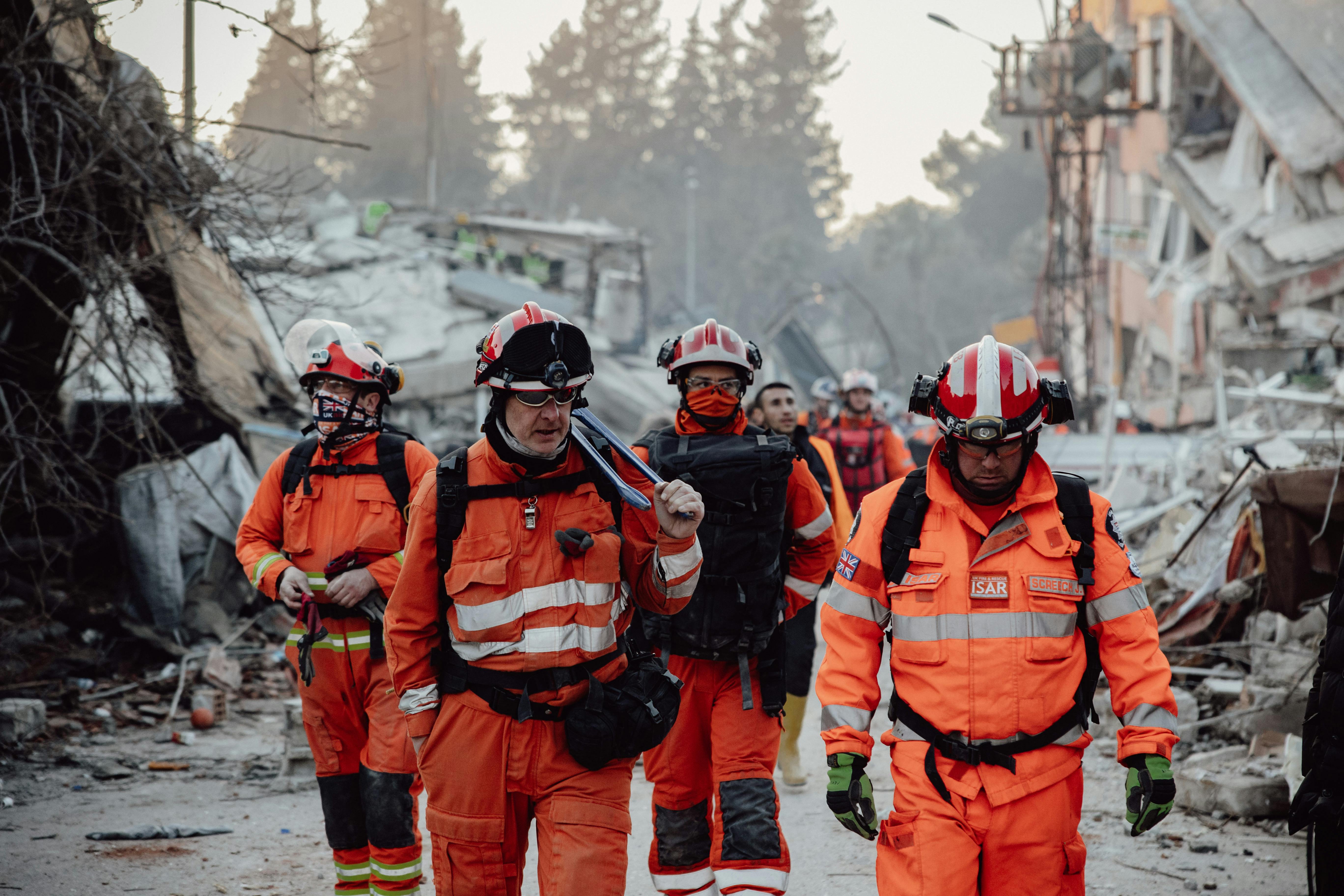
Relief organizations have the opposite problem from everyone else: when the story is happening, nobody has time to film it, and when there is time to film, the story is over. The fix is to build the film in the quiet months, around the people and the systems that will be there when the sirens go.
The Kansas City angle
The Kansas City region sits in tornado country and on two flood-prone rivers. The organizations that respond, from the Red Cross chapters on both sides of the line to the volunteer fire and rescue groups in Cass, Clay and Johnson counties, the food banks and the church-based response teams, all raise money on the same cycle: a surge after an event, then eighteen quiet months.
The local angle is preparedness. A film about the warehouse in Grandview, the volunteer who drives the truck, the shelter kit being packed in March, is a film that can run all year and is ready the day it is needed.
A readiness day and one survivor, a year later
We would film a training or a readiness exercise: the warehouse, the trucks, the volunteers running the drill, the coordinator explaining the first six hours after a call. Then a separate short visit with a family or business the organization helped after a past event, a year on, in their rebuilt space. The film pairs the two: this is what we do, and this is what it means twelve months later.
A two-minute donor film that is ready before the next season, and a set of short volunteer-recruiting pieces for the spring drive.
What to actually make
- A two-minute donor and readiness film — the system, the people and one story of recovery.
- Volunteer recruiting pieces — thirty seconds each on the roles that actually need filling.
- A rapid-response template — title cards, music and structure prepared in advance so a real event can be cut in hours.
- Partner and funder clips — short pieces per program for the grant reports and corporate sponsors.
What it costs in Kansas City
For most of the businesses in this post the right starting point is the Story Film at $4,500: a full shoot day with interviews, cut into a two-to-three-minute film. Every package is published on our nonprofit video page, and the video production cost page explains what moves the number up or down. There is no travel fee anywhere in the metro, Overland Park to Lee's Summit to Lawrence.
How the shoot works
It is the same two people on every project, Josh and Brandon. We scope it on a call, write the shot list, show up with lights and a lav mic, and stay out of the way of your customers. A first cut lands in about two weeks with unlimited revisions after that, and you own every frame, including the raw footage on request.
If this is your business, the nonprofit video page has the packages, the examples and the calendar link. If you are not sure which package fits, this is how we work and why the prices are on the site.